
Aging workers
As fertility rates fall and life expectancy climbs, the average age of Canada’s population continues to rise. This has widespread implications for social policies and the world of work. IWH research explores these implications, such as the effects of aging on work ability, injury rates, injury and disease prevention, productivity, accommodation and return to work. It also looks at the workplace and social programs that will allow aging workers to remain at work in a healthy and productive way until they transition into retirement.
Featured
At Work article
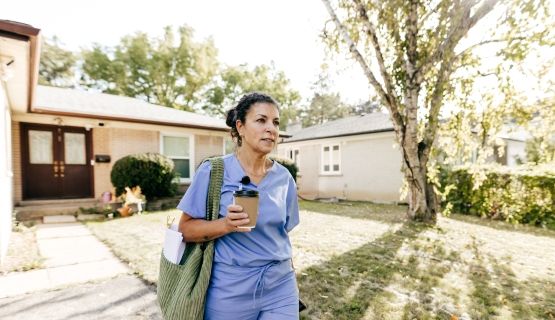
New early career award recipient to study aging, health and wellbeing among PSWs
The latest recipient of IWH's Cameron Mustard Early Career Accelerator Award will conduct research on the health and safety of personal support workers (PSWs) as they age. Dr. Madison Brydges, homecare scientist at VHA Home HealthCare, aims to co-design workplace solutions to keep experienced worker
Published: November 11, 2026

IWH Speaker Series
Unveiling the JDAPT: A new interactive tool to identify work-related support strategies for workers with chronic conditions and disability
In this presentation, Dr. Monique Gignac describes the JDAPT tool, its development, as well as data from two studies on the tool. She discusses the JDAPT’s potential to help workers by focusing on work solutions, not medical diagnoses and symptoms.
Published: March 21, 2023

At Work article
Despite pain and fatigue, older workers with chronic conditions want to work to age 65
Having a health condition or a chronic disease can be challenging for older workers, but it doesn't necessarily decrease their desire to work and retire at about the same age as healthy peers, finds an IWH study of retirement expectations.
Published: July 2019

IWH in the media
Implications of an aging workforce for work injury, recovery, returning to work and remaining at work
As the average age of Canadian workers continues to rise, employers may wonder about the implications on work injury, recovery, return to work and remaining at work. Some may expect that risks of injury are higher among older workers, that their injuries are more severe, or that timelines to recover and return to work are longer. However, findings from recent studies, including several conducted at IWH, paint a more nuanced picture. This article by IWH summarizes the evidence.
Published: OOHNA Journal, April 2019
Journal article
Journal article
Implications of an aging workforce for work injury, recovery, returning to work and remaining at work
Published: OOHNA Journal, April 2019
Journal article
Journal article
Inequalities in employment rates among older men and women in Canada, Denmark, Sweden and the UK
Published: BMC Public Health, March 2019

At Work article
Boomers with and without chronic conditions have similar needs for workplace supports
Yes, older workers with diabetes or arthritis experience fatigue and pain. But they're not that different from healthy peers in how much they need, or use, workplace accommodations, an IWH study has found.
Published: February 2019
Journal article
Journal article
Retirement expectations of older workers with arthritis and diabetes compared with those of workers with no chronic diseases
Published: Canadian Journal on Aging, February 2019

Impact case study
IWH review findings add consistency to osteoarthritis-related advice offered by WorkSafeBC medical advisors
The findings of an Institute for Work & Health systematic review on the association between osteoarthritis and work are being used by WorkSafeBC's medical advisors, contributing to more consistency in claims adjudication.
Published: January 2019
Journal article
Journal article
The associations between falls, fall injuries, and labor market outcomes among U.S. workers 65 years and older
Published: Journal of Occupational and Environmental Medicine, October 2018

At Work article
Sex/gender analysis: Men and women with arthritis have same needs at work, but not the same supports
Study of workers with arthritis finds the need for workplace supports goes unmet more often among women, and that's due to the type of jobs and workplaces women are in.
Published: August 2018
Journal article
Journal article
Are there differences in workplace accommodation needs, use and unmet needs among older workers with arthritis, diabetes and no chronic conditions? Examining the role of health and work context
Published: Work, Aging & Retirement, June 2018