Changing nature of work and future of work
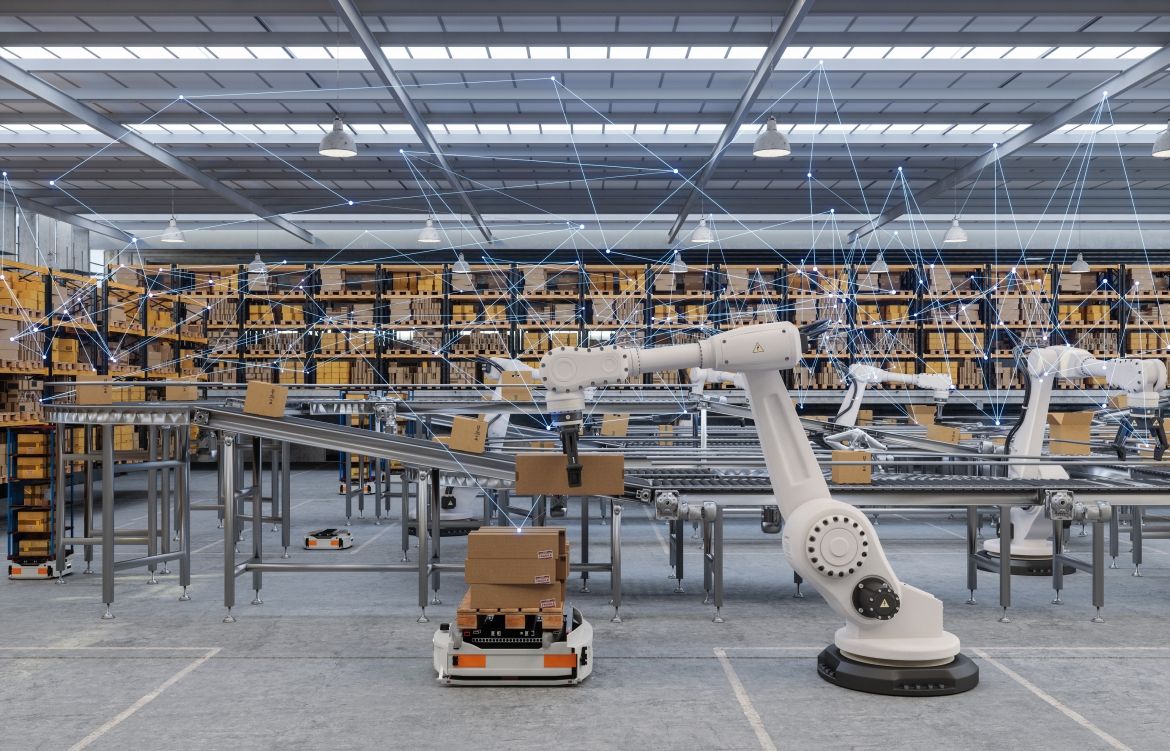
Diverse forces are changing the nature of work, with the potential to both positively and negatively affect workers. For example, due to advances in digital technology, the shift to remote and hybrid jobs and the continued rise of gig and platform-based employment, changes are unfolding in what people do for work, and where and how they do it. Our research seeks to understand the impact of these changes on workers, and the workplace and system-level policies and practices to ensure the health, safety and inclusion of all workers, now and in the future.





Latest findings

Inadequate employment standards, OHS vulnerability add to higher injury risks
IWH researchers found workers whose jobs fail to offer minimum employment standards are at an increased risk of work injury. When these workers also face health and safety vulnerability on the job, their risk of injury is even higher than the combined risk.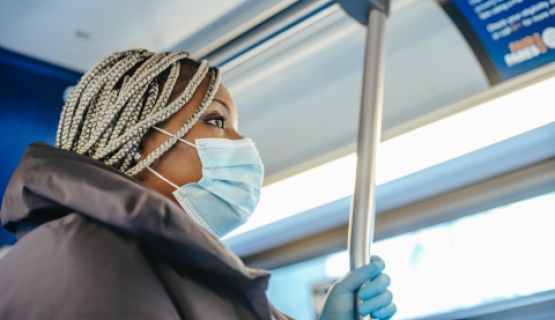
COVID worries highest among workers with both physical, mental health disabilities
People with both physical and mental health disabilities were the most concerned about their work, health and finances during the early part of the pandemic.Featured tool
Find the workers you need to protect with this measure of vulnerability to OHS risks at work.