
Return to work, accommodation and support
IWH has a long history of conducting research on practices, policies and processes that help workers sustainably return to work after an illness or an injury. This page pulls together IWH research and resources on employer supports, job accommodations and modifications, as well as other related issues such as disclosure of disability.
Featured

At Work article
Despite progress on workplace accommodation and support, new challenges continue to emerge
Despite improvements, new issues continue to emerge and challenge the people involved in providing workplace disability supports
Published: November 10, 2026

IWH Speaker Series
On mental health, remote work and shared accountability: Complex and evolving perspectives on workplace support and accommodation
Published: September 29, 2026
Project
Project
How RTW differs for workers with psychological injuries, older workers
Using workers' compensation data from the Australian state of Victoria, an IWH study investigates differences in the return-to-work experiences of workers with psychological injuries compared to those with musculoskeletal disorders, and of older workers compared to younger ones.
Status: Completed 2020

Impact case study
WSIB work reintegration program improves outcomes, lowers costs
Study by IWH "points us in the right direction," says former WSIB exec.
Published: December 2014

Impact case study
Evidence-based service delivery model at WSIB improved return-to-work outcomes
A new case management system for delivering services to injured workers and employers in Ontario leads to improved return-to-work outcomes.
Published: December 2014
IWH Speaker Series
IWH Speaker Series
Returning to work following low-back pain: Do prognostic factors differ for acute, subacute and chronic pain?
How long does it take for someone with low-back pain to recover enough to return to work? That's a question often asked by the worker, the employer, and the workers' compensation agency alike. In this plenary, Dr. Ivan Steenstra shares prognostic factors for subacute and chronic low-back pain and compares them with prognostic factors for acute pain. He also discusses how stakeholders use prognostic information, and how their understanding of prognostic factors compares to his own findings.
Published: November 2014

At Work article
IWH to explore how work affects health of women and men differently
New research chair explores role of gender and sex in work injury risk, recovery, chronic disease outcomes
Published: November 2014
Project
Project
Policies and practices on the accommodation of people with visible disabilities in the workplace
A research team led by IWH reviewed the literature to identify the workplace accommodations that employers in different workplaces are making at the recruitment, hiring and working stages for employees with visible disabilities.
Status: Completed 2017
Project
Project
Role of aging in return to work and stay at work: a systematic review
What interventions and factors help injured older workers successfully return to work? A research team led by the Institute for Work & Health searched the evidence for answers.
Status: Completed 2017
Project
Project
Understanding the employment needs and experiences of baby boomers with arthritis and diabetes
Episodic health conditions such as arthritis and diabetes can pose unique challenges to older workers who wish to remain in the workforce. An IWH team explored these challenges and their association with work outcomes.
Status: Completed 2019
Impact case study
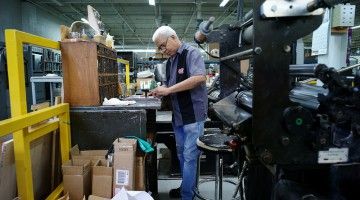
WSIB introduces new work reintegration program
Research by IWH scientist describes problems with previous program and suggests way forward.
Published: October 2012

Sharing Best Evidence
Factors affecting RTW following acute low-back pain
This systematic review set out to find what factors affect the length of time it takes before returning to work. The aim was to identify which workers with acute low-back pain are at high risk of long-term absences and, therefore, in need of extra attention to help them recover and return to work more quickly.
Published: May 2012